We are so glad to have many important researchers joining our program. All backgrounds, career stages and nationalities are welcomed to take part in the event. Submit your abstract to participate in the gathering!.
We are now defining the main speakers of the 2027 edition.
Please find here all info about confirmed speakers.
2027 plenary speakers
2027 keynote speakers
2027 Invited speakers
GET TO KNOW ALL 2027 SPEAKERS
plenary speakers

Christopher Barner-Kowollik is a leading expert in photochemistry, exploiting precision photochemical concepts for advanced soft matter material synthesis, including for light-driven 3D printing. He and his team developed a wide array of multi-colour photochemical reactions modes and pioneered wavelength-resolved photochemical action plots, which have demonstrated wavelength-dependent reactivity that is often mismatched with molecular absorptivity. He currently leads research teams at the Karlsruhe Institute of Technology (KIT) and the Queensland University of Technology (QUT).
After a PhD in Göttingen, he held leadership roles in Australia and Germany, including at UNSW and KIT, before establishing QUT’s Soft Matter Materials Laboratory. In 2026, he was appointed Institute Director and Alexander von Humboldt Professor at the KIT.
His work has earned numerous international awards, including the UK Macro Medal (2020), the European Polymer Federation Prize (2022), the Royal Society of Chemistry Centenary Prize (2023), and Germany’s Alexander von Humboldt Professorship (2025).
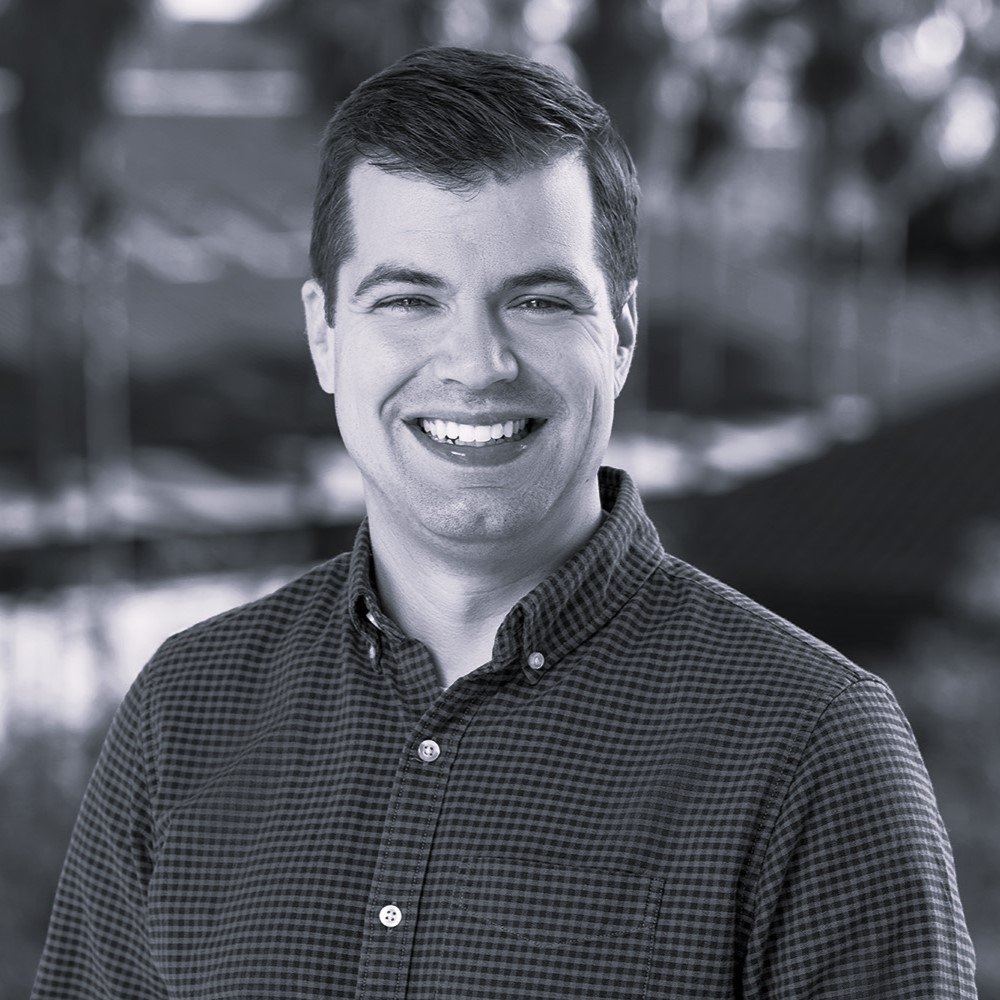
Dan Congreve is an Assistant Professor in the Department of Electrical Engineering at Stanford University. Prior to Stanford, Dan received his B.S. and M.S. from Iowa State. He received his PhD from MIT in Electrical Engineering in 2015. His thesis work focused on photonic energy conversion using singlet fission and triplet fusion as downconverting and upconverting processes, respectively. He spent a year as a postdoc at MIT studying perovskite nanoplatelets. He joined the Rowland Institute in 2016 as a Rowland Fellow before starting at Stanford in 2020. Dan is a Moore Inventor Fellow, Sloan Research Fellow, Intel Rising Star, and co-founder of Quadratic3D, a startup looking to commercialize 3D printing technologies. He received the Army Early Career Program Award, the NSF CAREER Award, and the EE Chair’s Award for Outstanding Contributions to Undergraduate Education. His current research interests focus on controlling nanoscale materials for energy, sustainability, and manufacturing applications.
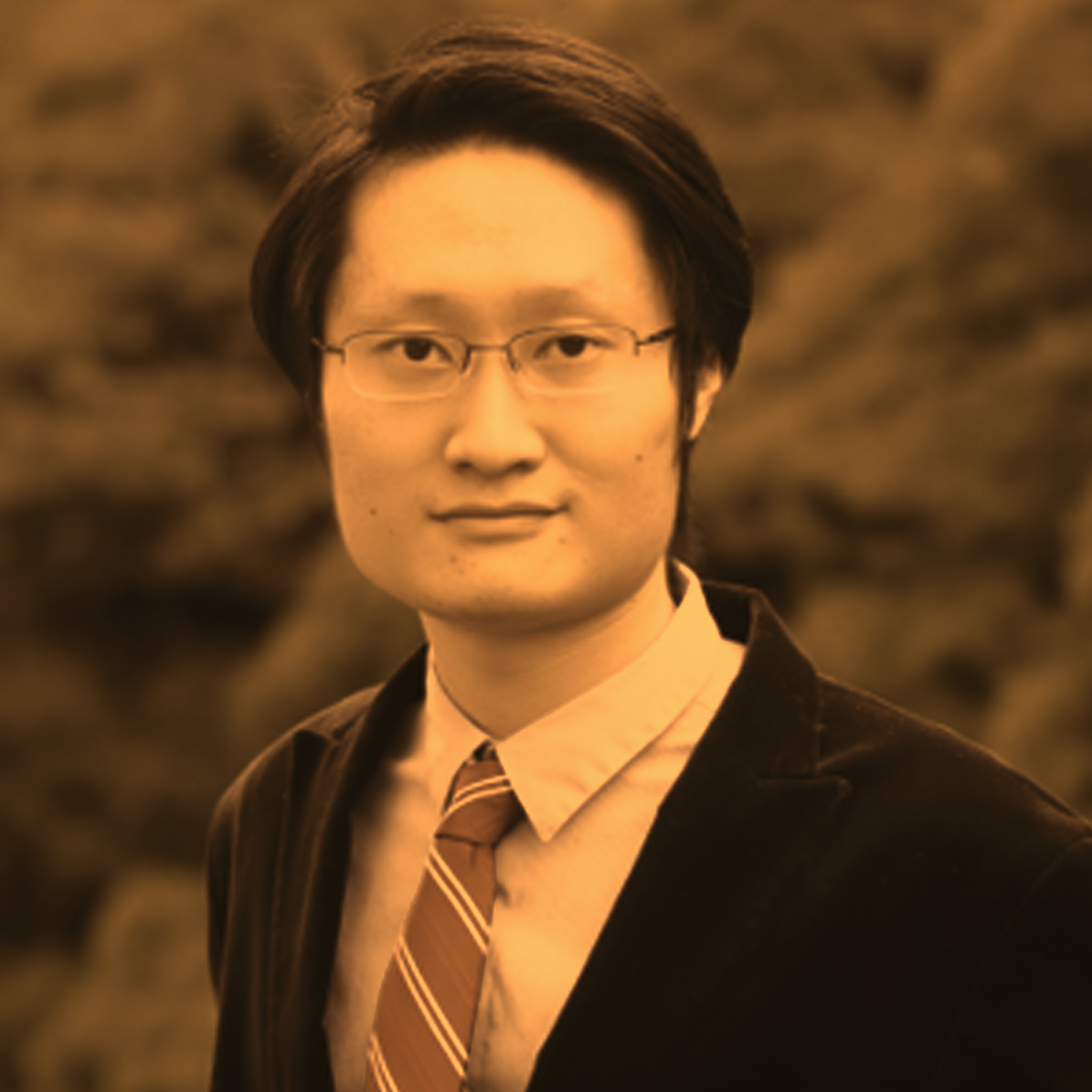
Yu Shrike Zhang is Associate Professor in the Department of Medicine at Harvard Medical School and Associate Bioengineer in the Division of Engineering in Medicine at the Brigham and Women’s Hospital. Dr. Zhang is directing the Laboratory of Engineered Living Systems (www.shrikezhang.com), where the research is focused on innovating medical engineering technologies, including 3D bioprinting, organs-on-chips, microfluidics, and bioanalysis, to recreate functional tissues and their biomimetic models, for applications in regenerative medicine and personalized medicine. His scientific contributions have been recognized by >50 international, national, and regional awards.

Dr. Maria Farsari is Research Director in the Institute of Electronic Structure and Laser (IESL), Foundation for Research and Technology-Hellas (FORTH, Greece). She is considered one of the founders of laser-based 3D micro-printing, as she was a member of the Sussex University team that developed the first UV projection micro-printer in 1999.
Her team pioneered the use of laser-made 3D scaffolds for cell growth and tissue engineering, and first demonstrated first redox multiphoton polymerisation. They have developed the organicinorganic hybrid photosensitive material SZ2080TM, considered today the most accurate material for 2PP and used widely by leading groups in the world.
KEYNOTE speakers

After completing his Diplom and PhD in physics at Johann Wolfgang Goethe-Universität Frankfurt (Germany) in 1986 and 1987, respectively, Martin Wegener spent two years as a postdoc at AT&T Bell Laboratories in Holmdel (U.S.A.). From 1990-1995 he was professor (C3) at Universität Dortmund (Germany), since 1995 he is professor (C4, later W3) at Institute of Applied Physics of Karlsruhe Institute of Technology (KIT). Since 2001 he has a joint appointment as department head at Institute of Nanotechnology (INT) of KIT, since 2016 he has been one of the directors at INT. From 2001-2014 he was the coordinator of the DFG-Center for Functional Nanostructures (CFN) at KIT. Since 2018 he has been spokesperson of the Cluster of Excellence 3D Matter Made to Order. His research interests comprise ultrafast optics, (extreme) nonlinear optics, optical laser 3D nanoprinting, photonic crystals, optical, mechanical, electronic, and thermodynamic metamaterials.

Dr. Liliang Ouyang is currently an Associate Professor in the Department of Mechanical Engineering at Tsinghua University. His research interests include the design, fabrication, and application of complex biomaterial and cellular systems, with a central focus on the development of 3D bioprinting and advanced biofabrication technologies for engineering in vitro living systems. He has published a series of peer-reviewed articles in well-recognized journals, including Nature, Science Advances, Advanced Materials, and Materials Today, with a total Google citation of 6500+ and H-index of 30. He is currently an Associate Editor of Biomaterials Advances and the International Journal of Bioprinting, an editorial board member of Biofabrication and Materials Today Bio. He has been recognized with a series of awards and honors, including Stanford/Elsevier Top 2% Scientists List (career-long 2025, single-year 2021-2025) and ISBF New Investigator Award (2021).
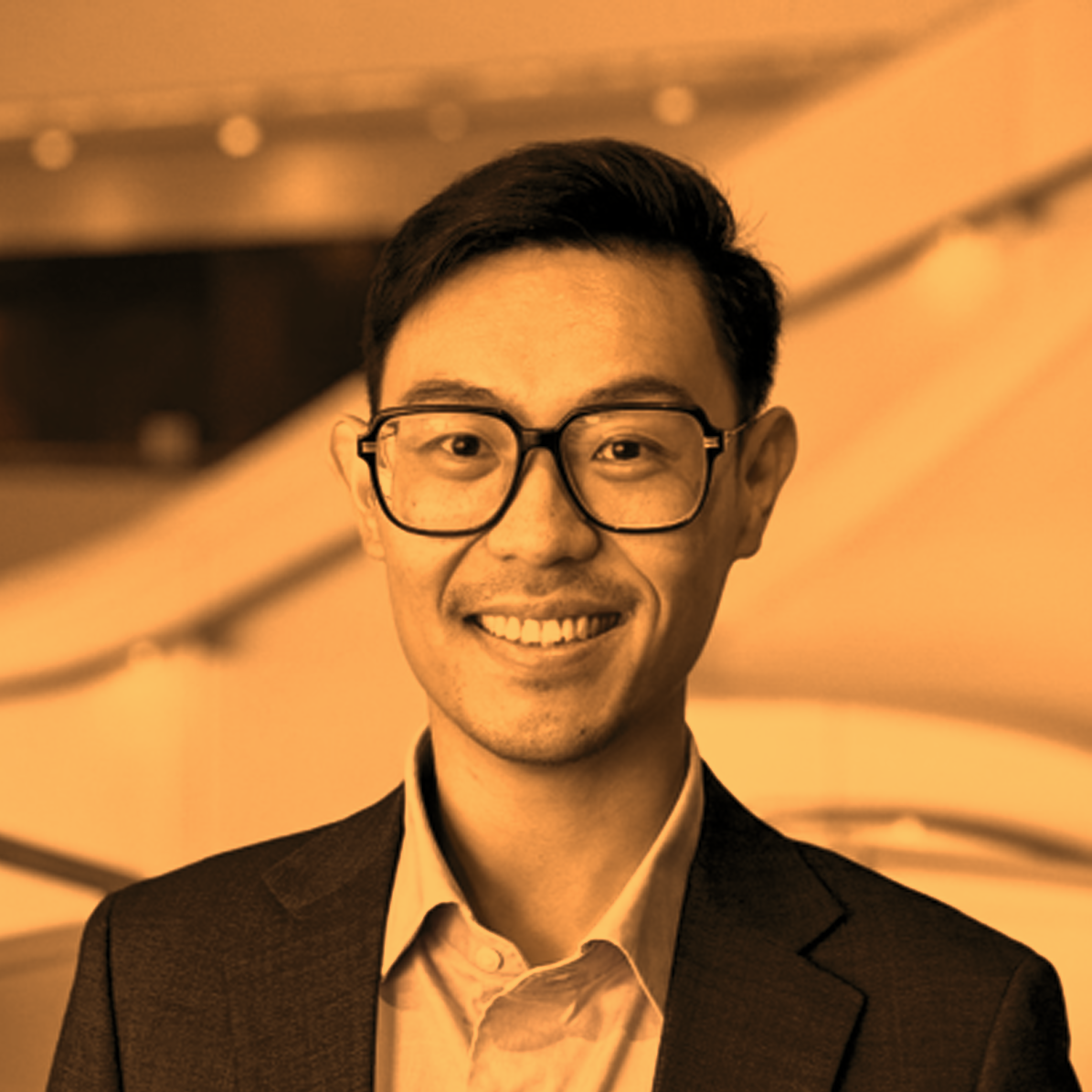
Professor Khoon Lim is currently an Australian Research Council Future Fellow and the Co-Director of the Sydney Biomanufacturing Incubator at the University of Sydney, Australia. His research focuses on using light-activated macromolecular chemistry to design dynamic biomaterials for tissue engineering and regenerative medicine applications, including musculoskeletal regeneration, cardiovascular health and chronic wounds. He has generated >150 journal publications and raised a total of >$13 Million research grant funding ($8 Million as CIA). He is the Past-President of the Australasian Society for Biomaterials & Tissue Engineering, Treasurer of the International Society for Biofabrication and Committee Member of Standards Australia (HE-012 Surgical Implants). He has won >20 competitive national/international awards, included in the World’s Top 2% Scientist List by Stanford University since 2022. He currently serves on the Editorial Board of Biofabrication, Advanced Chemical Engineering, Advanced NanoBiomed Research, Tissue Engineering Part B, RSC Biomaterials Science, Macromolecular Bioscience and Journal of Materials Science: Materials in Medicine.
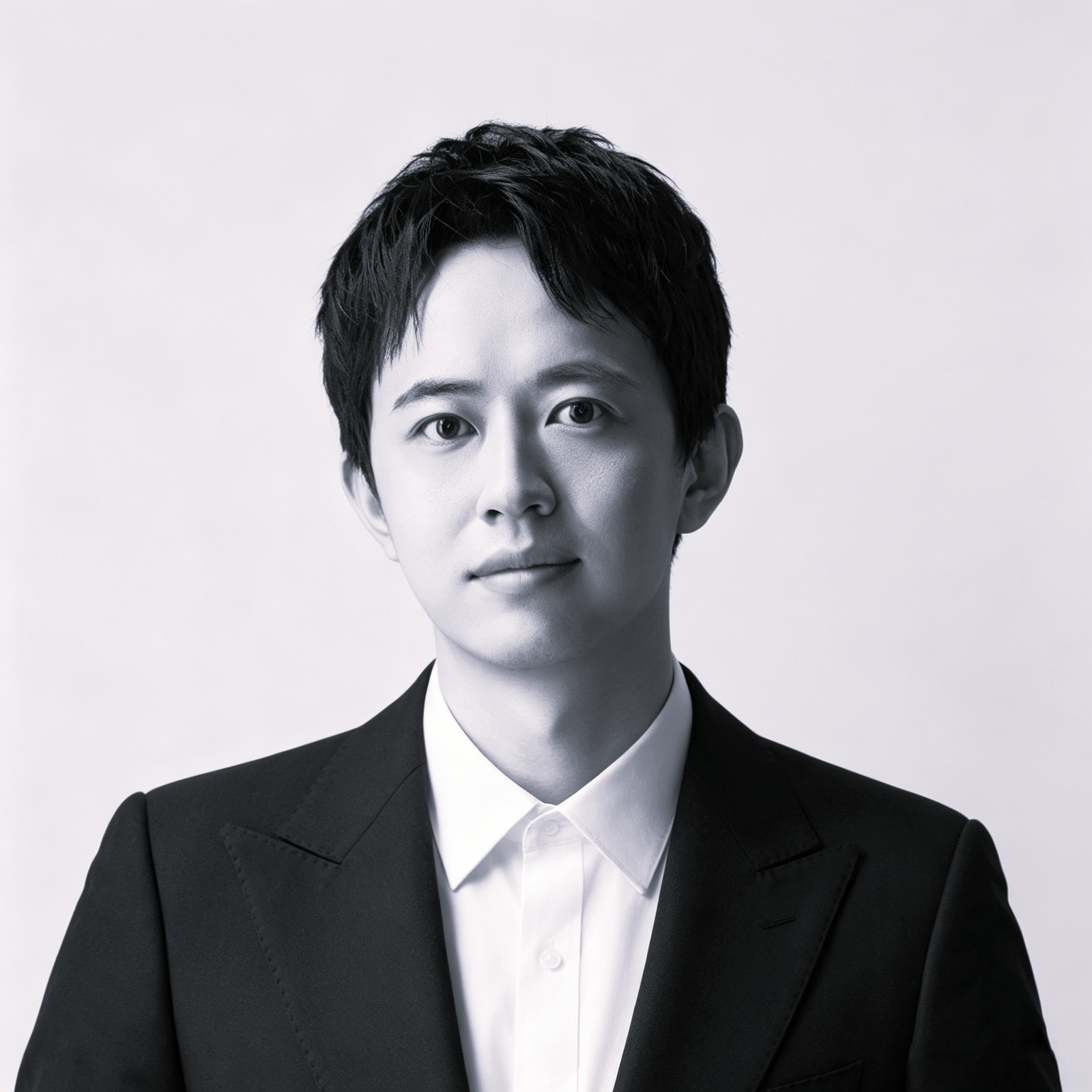
Xukang Wang is a postdoctoral researcher in the Department of Automation at Tsinghua University. His research centers on volumetric additive manufacturing, holographic light field regulation, and intelligent microscopy. He has published multiple peer-reviewed papers in top-tier journals including Nature, Nature Machine Intelligence, and Optics. He specializes in applying tools and techniques from 3D imaging to 3D printing, with a focus on developing light field methods for high-performance additive manufacturing systems.

Eva Blasco is Professor of Molecular Systems Engineering and Advanced Materials at Heidelberg University and a member of the Institute for Molecular Systems Engineering and Advanced Materials (IMSEAM). She leads a research group focused on developing functional and sustainable polymer materials for 3D and 4D printing at the micro- and nanoscale. Her work has been recognized with several awards, including the Ernst-Haage Prize, the Dr.-Hermann-Schnell Prize of the GDCh, the Young Investigator Award of the Spanish Chemical Society, or the Advanced Science Young Innovator Award. She serves as a principal investigator and, since 2023, member of the executive board of the Cluster of Excellence 3D Matter Made to Order (3DMM2O).
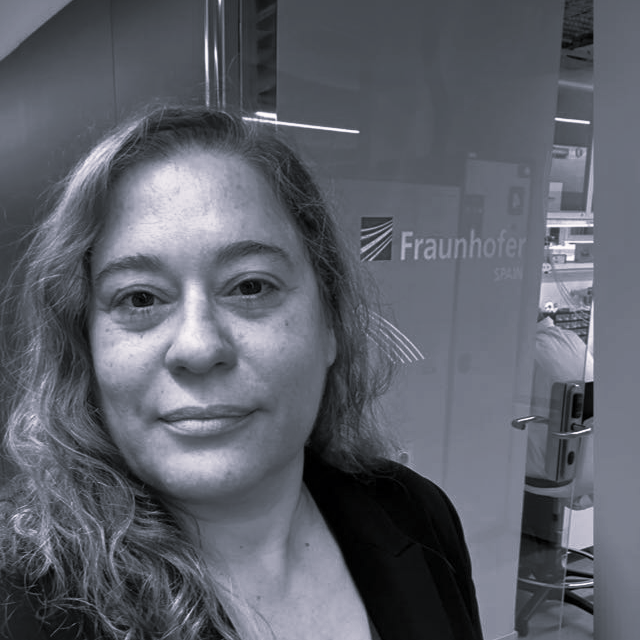
Dr Elena Martínez Fraiz is a physicist and bioengineer specializing in biofabrication, tissue engineering, hydrogels, and microfluidic organ-on-chip technologies. She earned her PhD in Physics from the University of Barcelona and established her career at the Institute for Bioengineering of Catalonia, where she became Senior Group Leader, alongside her academic role as Associate Professor at the University of Barcelona. Her research develops biomimetic cardiac, intestinal, skin, vascular, and tumour models using bioprinting, bioinks, bioreactors, microfluidics, primary cells, and organoids. She has coordinated European and national projects, including ERC Consolidator, ERC Proof of Concept, FET Open, and CaixaResearch Health initiatives, and has contributed to patent applications and technology-transfer projects. Her work has attracted more than 3,500 citations. Recently, she moved to the recently created Fraunhofer Spain Research Foundation where she is the deputy Fraunhofer CAT center director.
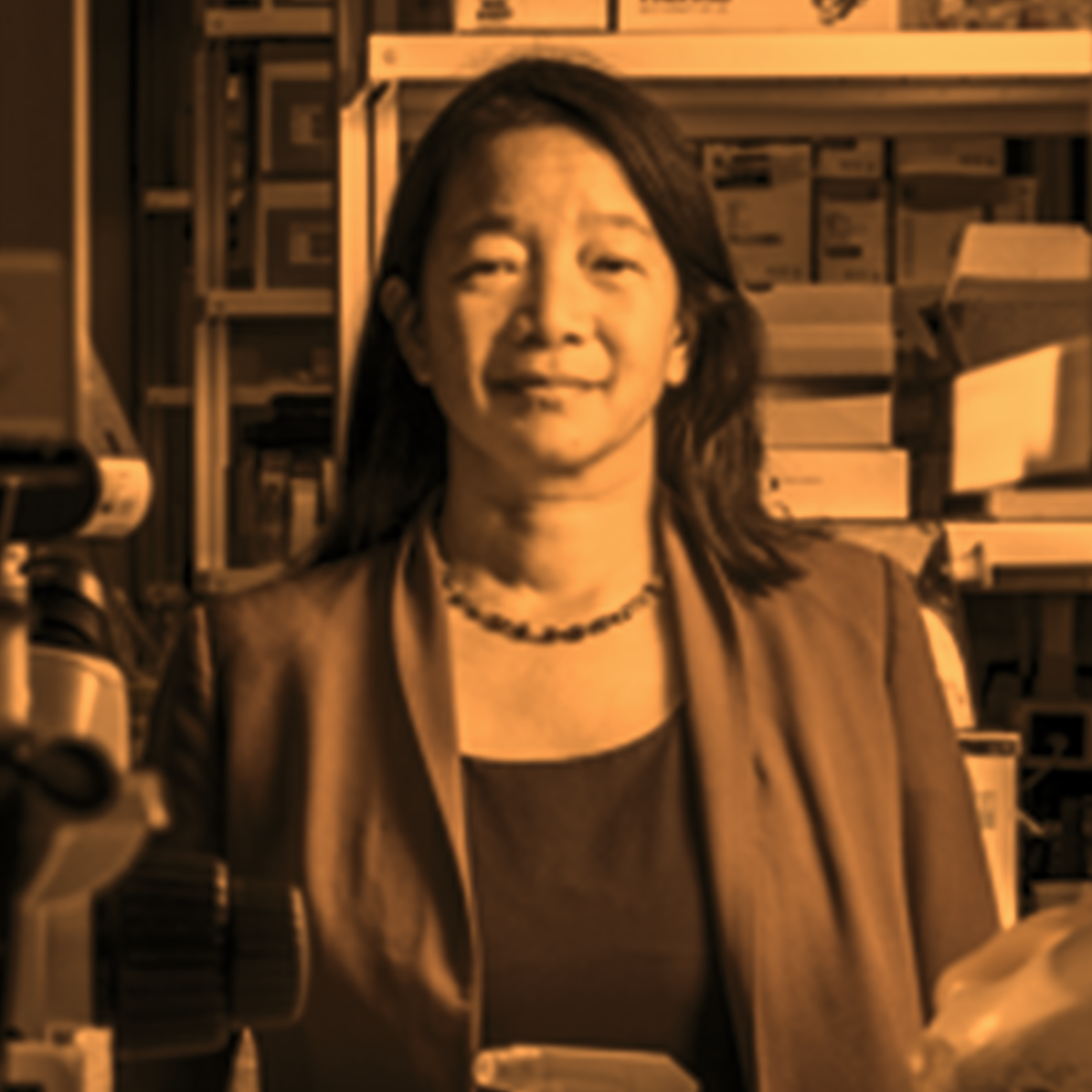
Marcy Zenobi-Wong is a Full Professor of Tissue Engineering and Biofabrication in the Institute for Biomechanics at ETH Zürich in Switzerland. She is a Mechanical Engineer by training, and received her Bachelor degree from MIT and Master/PhD from Stanford University. At ETH Zürich, she leads a multidisciplinary team with strong focus on light-based biofabrication technologies, development of advanced biomaterials, and gene editing of cells for tissue regeneration. She is the author of over 150 peer-reviewed publications and co-inventor on several licensed patents. She is an honorary member of the Swiss Society for Biomaterials and Regenerative Medicine (SSB+RM) and served as the General Secretary for the International Society of Biofabrication (ISBF). She serves on the editorial board for Advanced Healthcare Materials and the Executive Editorial Board of Biofabrication. In 2019 she was elected as Fellow to the European Alliance for Medical & Biological Engineering and Science (EAMBES).
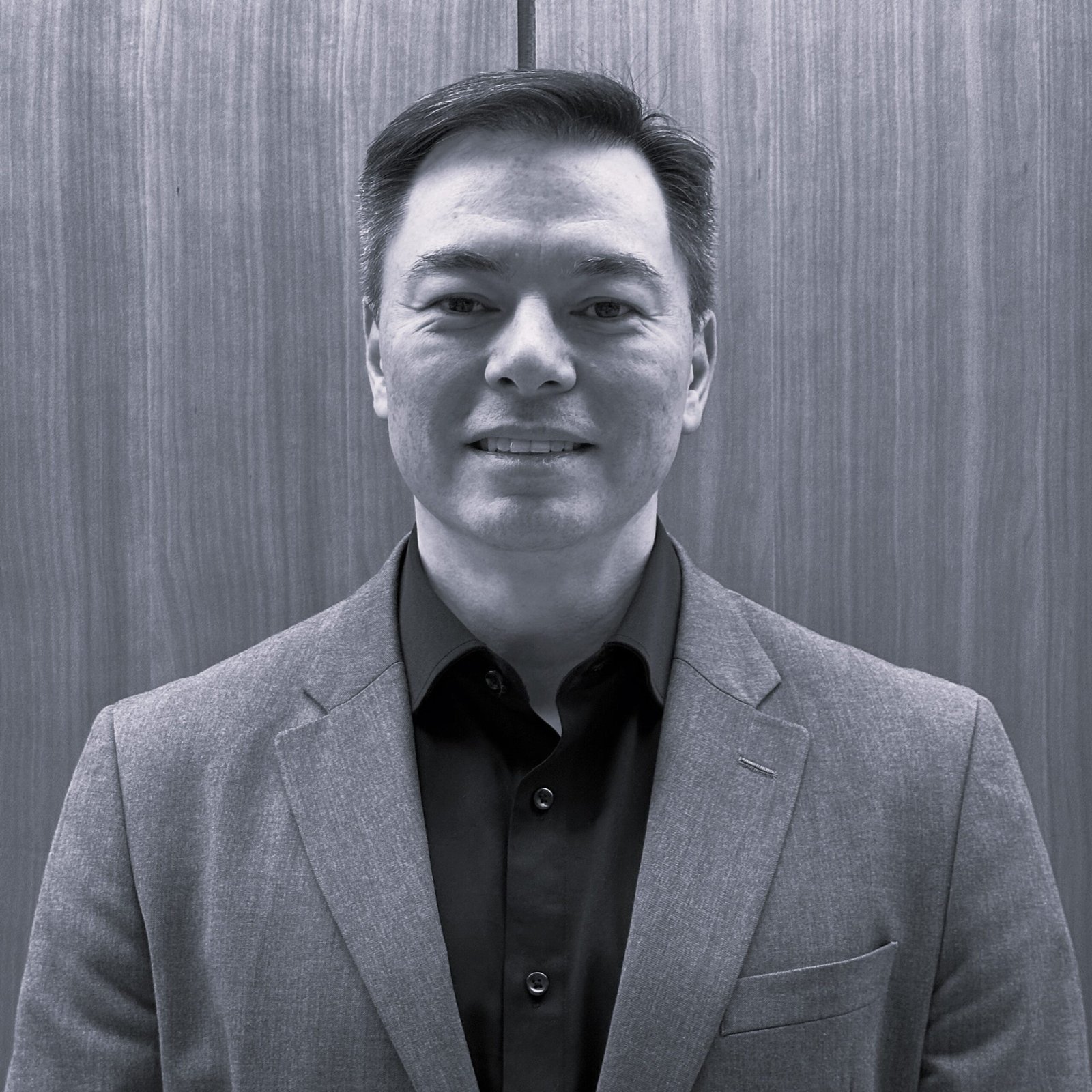
AJ Boydston completed his BS and MS degrees at the University of Oregon under the mentorship of Prof. Mike M. Haley. He then attended the University of Texas at Austin for doctoral studies with Prof. C. Grant Willson and Prof. Christopher W. Bielawski. After earning his PhD in 2007, he moved to the California Institute of Technology as an NIH Postdoctoral Fellow and worked under the guidance of Prof. Robert H. Grubbs. In 2010, he began his independent career at the University of Washington and in 2018 moved to the University of Wisconsin, Madison as the inaugural Yamamoto Family Professor of Chemistry. His research program focus areas include photoredox catalysis, polymer synthesis, mechanochemistry, and additive manufacturing.

Leah Appelhans is a Distinguished Member of the Technical Staff in the Organic Materials Department (1853) at Sandia National Laboratories, where she leads a group focused on the development of new materials for additive manufacturing and other applications. She received a B.A. in Chemistry from Macalester College and a Ph.D. in Chemistry from Yale University, then completed a postdoctoral fellowship at the Materials Research Lab at the University of California, Santa Barbara, before joining Sandia. Her research is focused on the development of polymer materials for 3D printing and investigating new methods using 3D printing to uniquely control polymer properties. Her work includes research on inkjet, digital light projection, direct ink write, and multiphoton lithography 3D printing.

Bio available soon!
INVITED speakers
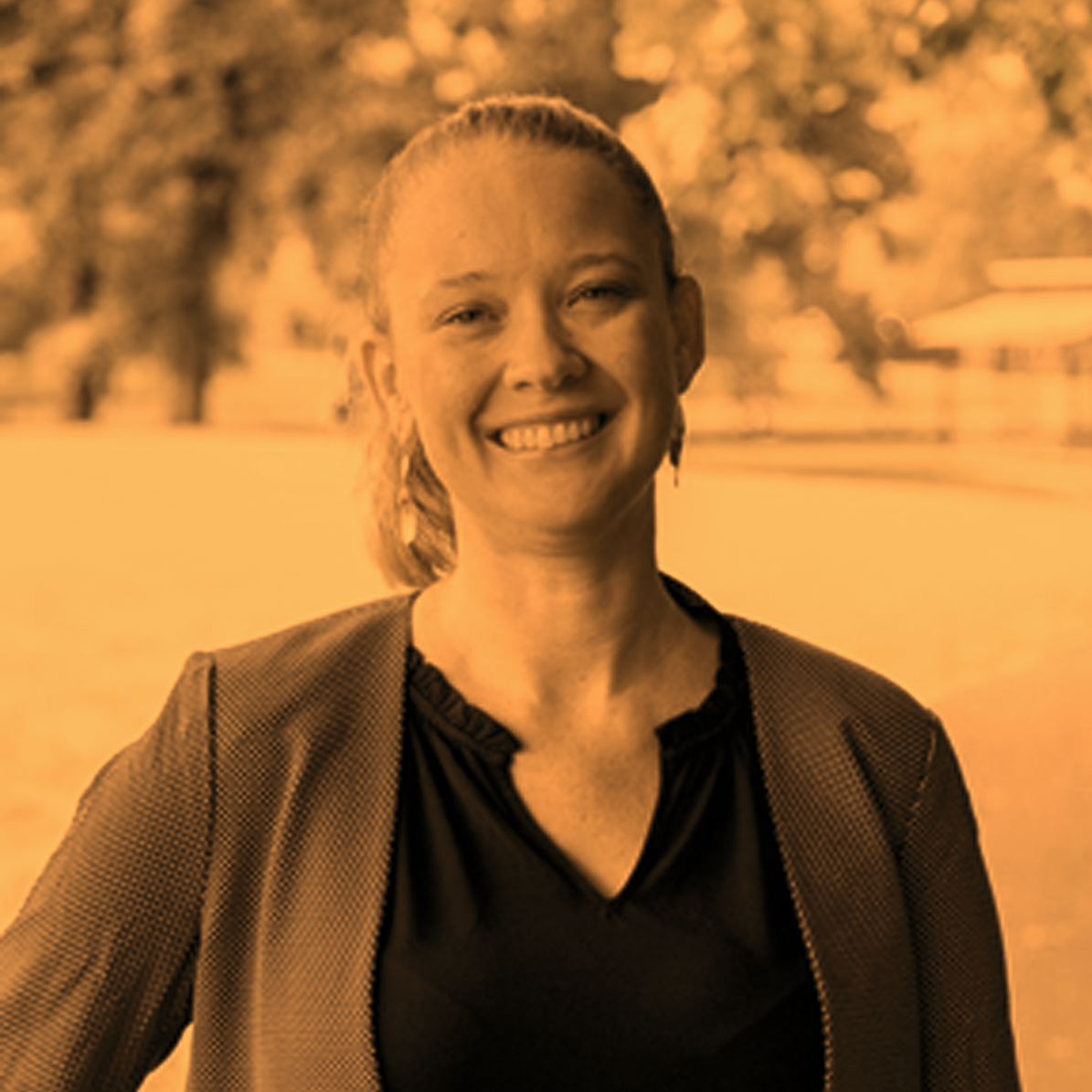
Blair Brettmann is an Associate Professor in Chemical and Biomolecular Engineering and Materials Science and Engineering and the Deputy Director of the Renewable Bioproducts Institute at Georgia Tech. She received her B.S. in Chemical Engineering at the University of Texas at Austin and her Ph.D. in Chemical Engineering at MIT. Following her Ph.D., Dr. Brettmann was a Senior Research Engineer at Saint-Gobain and a postdoctoral researcher in the Institute for Molecular Engineering at the University of Chicago. She was the recipient of the NSF CAREER Award in 2021, the ACS PMSE Young Investigator award in 2020 and an IUPAC Young Observer in 2019. Her research focuses on linking molecular to micron scale phenomena to processing and multicomponent complex mixtures to enable rapid and science-driven formulation and product development.
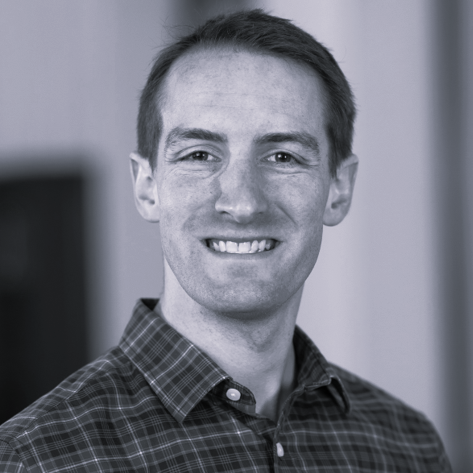
Zachariah A. Page is an Associate Professor in the Chemistry Department at The University of Texas (UT) at Austin, where his research program develops light-driven approaches to make and manipulate plastics. Dr. Page earned a B.S. in Chemistry at Juniata College, and a Ph.D. in Polymer Science and Engineering at UMass, Amherst with Prof. Todd Emrick. He then went on to train as a postdoc with Prof. Craig Hawker at the UC Santa Barbara, studying photochemical transformations. Dr. Page then joined UT Austin in 2018 where he has directed a research program centered photoredox catalysis, polymer synthesis, and additive manufacturing. Dr. Page has published more than 100 scientific papers, received several awards including the Journal of Polymer Science Innovation Award (2026), Presidential Early Career Award for Scientists and Engineers (2025), and Mark Young Scholar Award (2024), and co-founded Supra Elemental Recovery Inc. (2025).
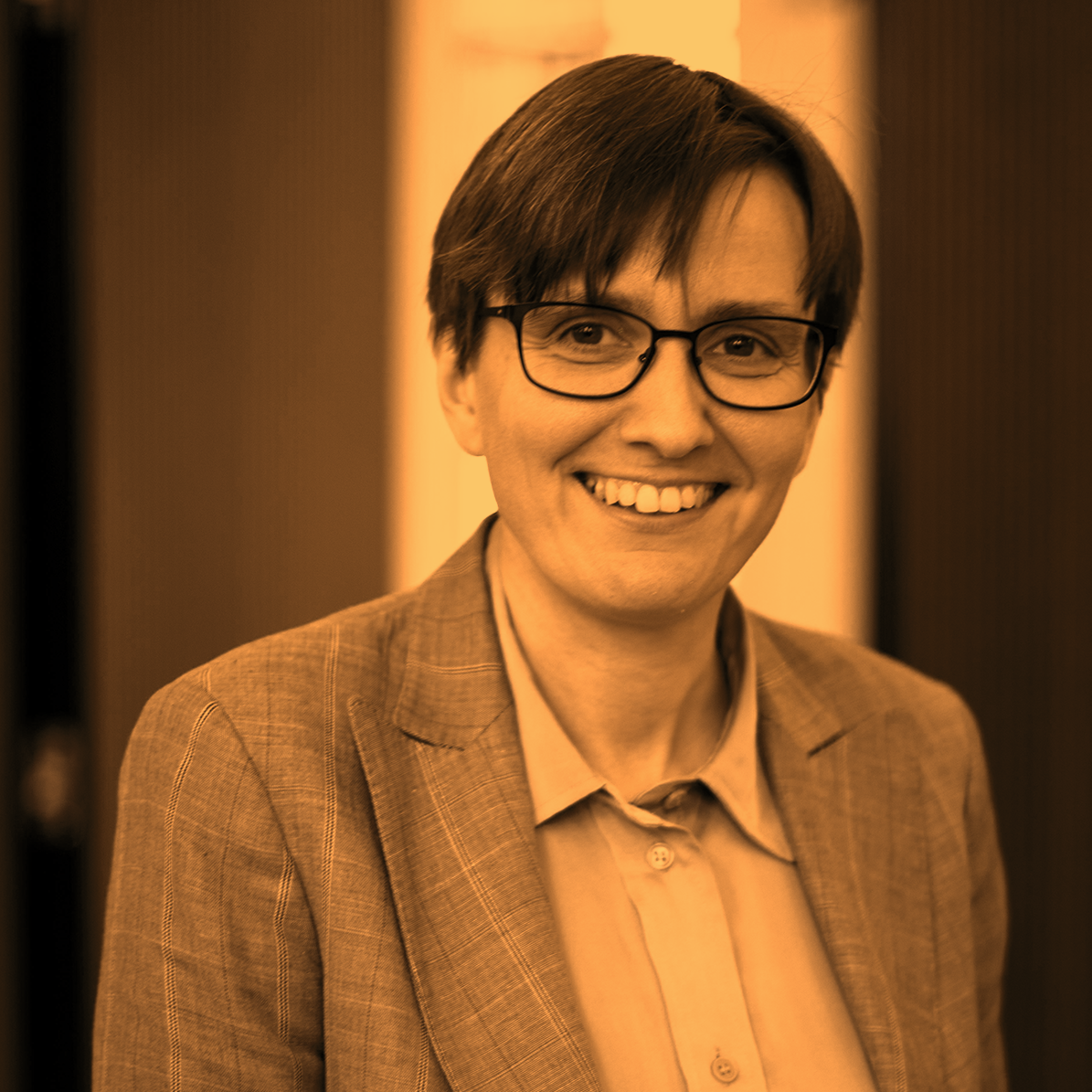
Katrien Bernaerts obtained her PhD from the group of Prof. Du Prez at Ghent University (Belgium) in 2005. After PhD, Katrien spent 7 years in industry (Agfa, Teijin Aramid, DSM), doing research in the field of coatings and fibers. Since 2012, she holds an academic position at Maastricht University, where she is currently Full Professor Sustainable Polymer Synthesis.
Her main research focus is on the design and synthesis of sustainable polymer materials with tuneable properties for the circular economy. Sustainability entails biobased building blocks (but no biorefinery) instead of fossil raw materials, green routes for polymer synthesis and processing, as well as chemical recycling/reprocessing methods (biodegradability, depolymerization, dynamic bonds) to make the end-of-life of polymers more sustainable. Structure-property relationships of the resulting polymers are evaluated in several fields of application e.g. stimuli-responsive polymers, coatings, fibres, engineering plastics and biomedical materials, increasingly supported by artificial intelligence for data analysis and prediction.

Katharina Ehrmann is an Assistant Professor at the Institute of Applied Synthetic Chemistry, TU Wien and Associate Editor for ACS Macro Letters. Her ATLAS Lab strives to advance photopolymer chemistry for next generation 3D printing, including multi material printing and the development of new photopolymerization reactions for functional and sustainable soft matter materials. After her PhD in biomaterials (TU Wien, 2020), Katharina was a postdoc with Christopher Barner-Kowollik at the Queensland University of Technology, Australia (2021-2022). She returned to TU Wien in 2023 to build up her independent research program. Dr. Ehrmann has authored 40+ papers in leading journals and three patent applications. Honors include the European Society for Photopolymer Science Early Career Stage Researcher Award (2026), an FWF 1000 Ideas grant (2025), Chemistry Europe Travel Grant (2025), the Elise Richter Fellowship (2024), and TU Wien’s Dr. Ernst Fehrer Prize (2024).
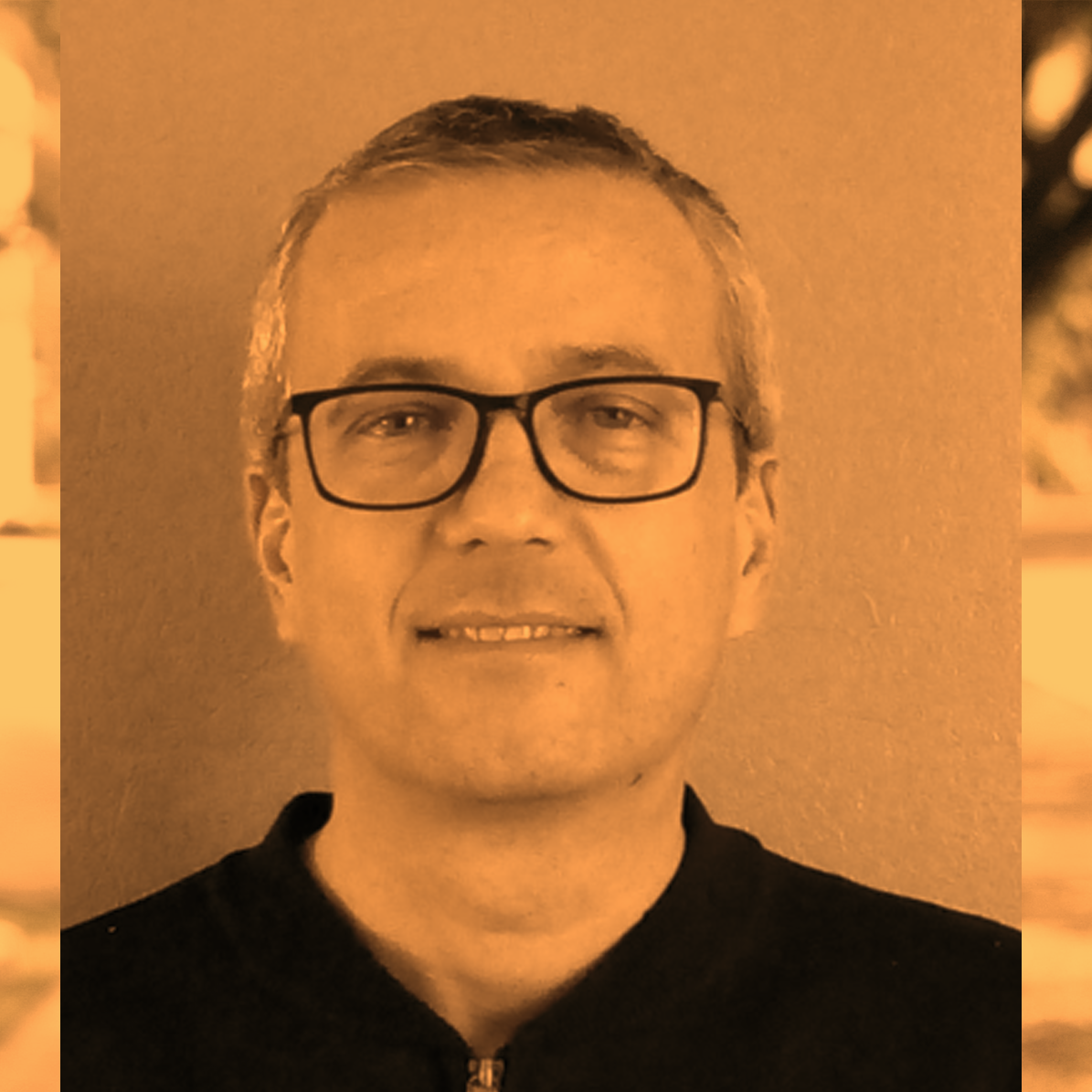
After a PhD in photochemistry in 2002 and a post-doc in Germany, Jacques Lalevée was first recruited as associated professor in 2004 at the Ecole Nationale Supérieure de Chimie de Mulhouse, then full Professor in 2009.
His research focuses on light and materials, in particular the study of photopolymerization processes. These range from the development of starting materials (photoinitiators, monomers, oligomers, etc.), to the study of photopolymerization reactions and associated photochemical mechanisms, right through to practical applications (coatings, inks, composites, 3D printing, etc.).
Prof. Jacques Lalevée was awarded the National Prize of Polymer in France in 2014 and the Ourisson prize in 2013, and is member of the Institut Universitaire de France (Paris) from 2011 to 2016 and now since 2026 (Distinguish scientist).
I have published 695 international publication in peer reviewed journal, citations ~25000 for a h-factor = 82.
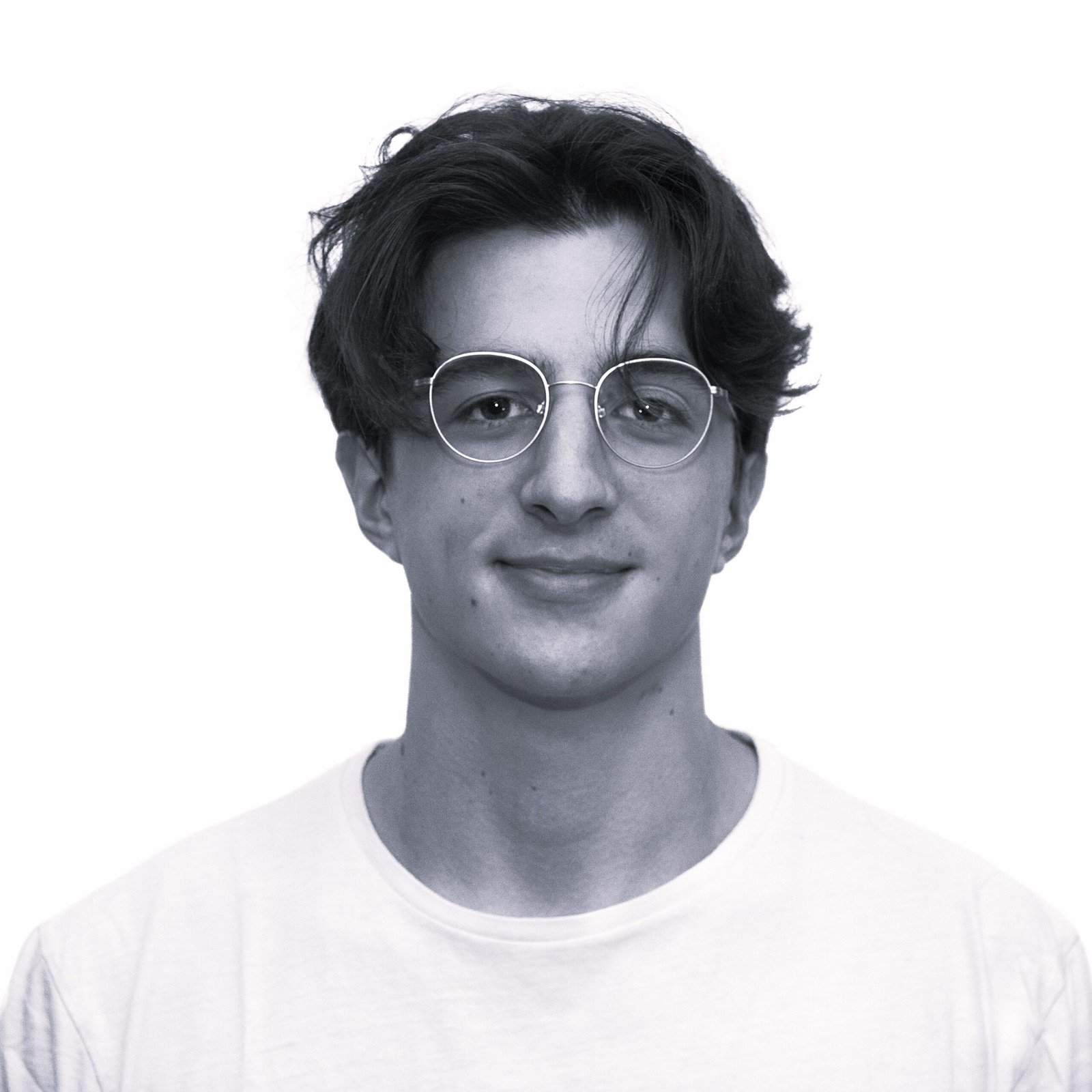
Dr. Riccardo Rizzo is a Postdoctoral Fellow in the Laboratory of Applied Photonic Devices of Prof. Christophe Moser at EPFL, Lausanne, where his research focuses on tomographic volumetric additive manufacturing and its biomedical applications. His work spans the development of novel photosensitive bioresins, advanced light-based printing strategies, and bioprinting approaches for tissue engineering and organ-on-chip technologies, bridging photonics, biomaterials, and biomedical engineering.
His research in light-based bioprinting began during his doctoral studies in the Zenobi-Wong Lab at ETH Zurich, where he developed innovative printing and material strategies recognized with several awards, including the ETH Silver Medal. He further advanced this research as a postdoctoral fellow in the Lewis Lab at Harvard University, exploring the intersection of biomaterials, photonics, and stem cell engineering. His work has resulted in numerous publications and contributed to advancing next-generation bioprinting technologies.
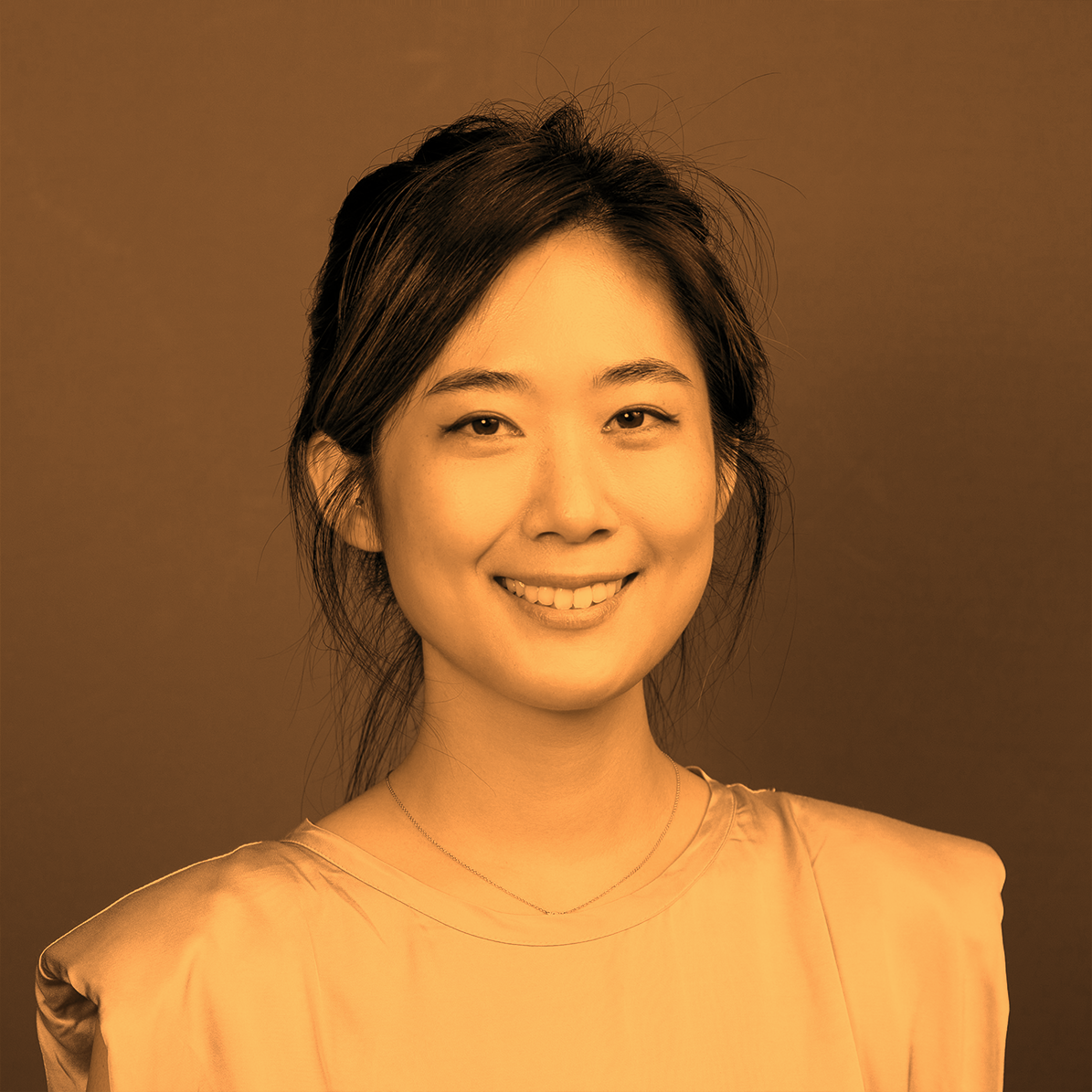
Prof. S. Eileen Seo is an Assistant Professor of Chemical Engineering and a Core Faculty member of the Center for Sustainable Macromolecular Materials and Manufacturing at Arizona State University. Eileen earned her B.S. in Chemical Biology at UC Berkeley in December 2011. She then pursued graduate studies in Chemistry at Northwestern University under the guidance of Prof. Chad Mirkin. After completing her Ph.D. in 2018, she did postdoctoral work at UC Santa Barbara with Prof. Craig Hawker. Her research interests center on material sustainability, with a focus on dynamic adaptive materials, photochemical polymerization, and additive manufacturing. Her group’s work is supported by the Ralph E. Powe Junior Faculty Enhancement Award, DOE Early Career Award, ACS PRF DNI Grant, NSF IUCRC, Arizona Water Innovation Initiative, Engineering for One Planet Faculty Fellowship, and National Research Foundation of Korea. She has also been recognized as a finalist for the Beckman Young Investigator Award.
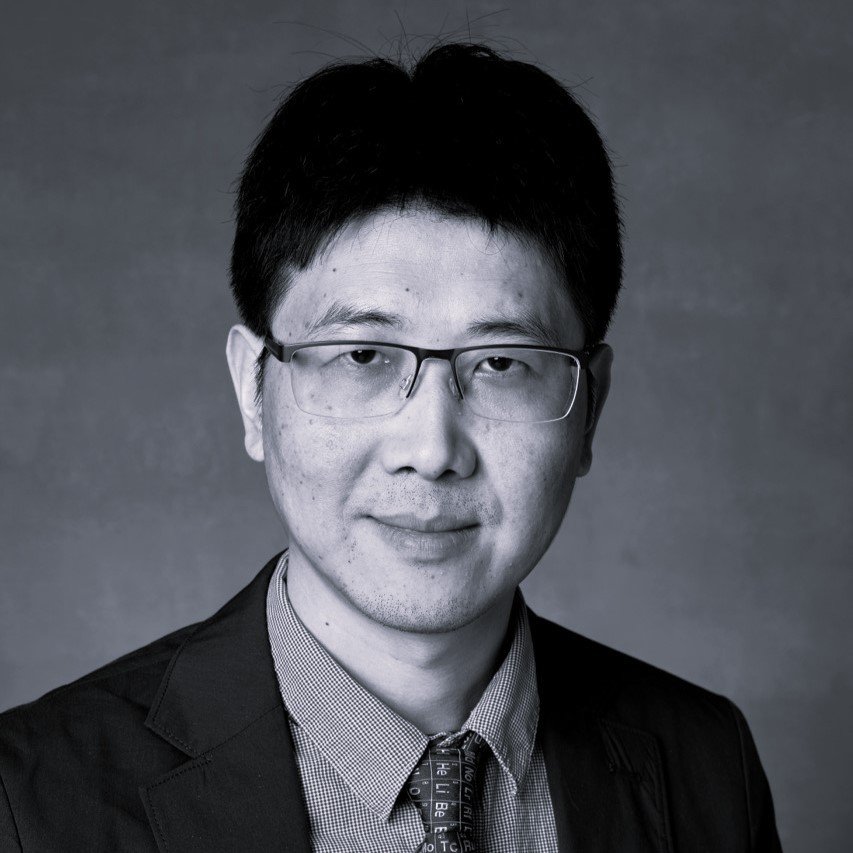
Dr. Yinyin Bao is an Associate Professor of Polymer Chemistry in the Department of Chemistry at University of Helsinki, and a Guest Senior Scientist in the Institute of Chemical and Bioengineering at ETH Zurich. His research interest remains the application of polymer chemistry in biomedicine and optoelectronics, in particular 3D printed bioresorbable medical devices and light-emitting materials for OLEDs. Dr. Bao received his PhD degree in Polymer Chemistry and Physics (2012) from University of Science and Technology of China. He completed postdoctoral research at KU Leuven, and then became a Marie Curie IntraEurapean Fellow in CNRS at University of Paris Sud. He joined ETH Zürich in 2016 and was later promoted to a Group leader. Dr. Bao has been recognized with several awards, including 2026 Hanwha-TotalEnergies IUPAC Young Scientist Award, 2025 Rising Stars in Polymer Science by ACS Polymers Au, and Outstanding Reviewers for Polymer Chemistry in 2025.

Timothy Long received his Ph.D. in Chemistry from Virginia Tech, and he subsequently joined both Eastman Kodak and Eastman Chemical companies for eight years upon graduation. He joined the faculty in the Department of Chemistry at Virginia Tech, where he also served as the Director of the Macromolecules Innovation Institute until 2020. In 2021, Prof. Long accepted an interdisciplinary faculty position across the School of Molecular Sciences (SMS) and the School for Engineering Matter, Transport, and Energy (SEMTE) at Arizona State University (ASU) where he launched and now leads the Biodesign Center for Sustainable Macromolecular Materials and Manufacturing (BCSM3). In addition to over 450 peer-reviewed publications, his research awards include the 2026 ACS Senior Mark Scholar Award, 2023 3M Excellence in Adhesion Award, 2022 Paul J Flory Award, 2020 Virginia Outstanding Faculty Award, 2015 Virginia Scientist of the Year, 2010 Virginia Tech Alumni Research Award, ACS PMSE Collaborative Research Award, PSTC Carl Dahlquist Award, 2019 ACS Rubber Division Thermoplastic Elastomer Award, and the ACS POLY Mark Scholar Award. His most recent research efforts address the need for tailored advanced macromolecules for advanced manufacturing (3D printing), including vat photopolymerization, direct ink write, binder jetting, powder bed fusion, and melt extrusion. His research ranges from controlled polymerization processes for block and segmented copolymers to high performance engineering polymers for emerging technology with a lens of earth sustainability.
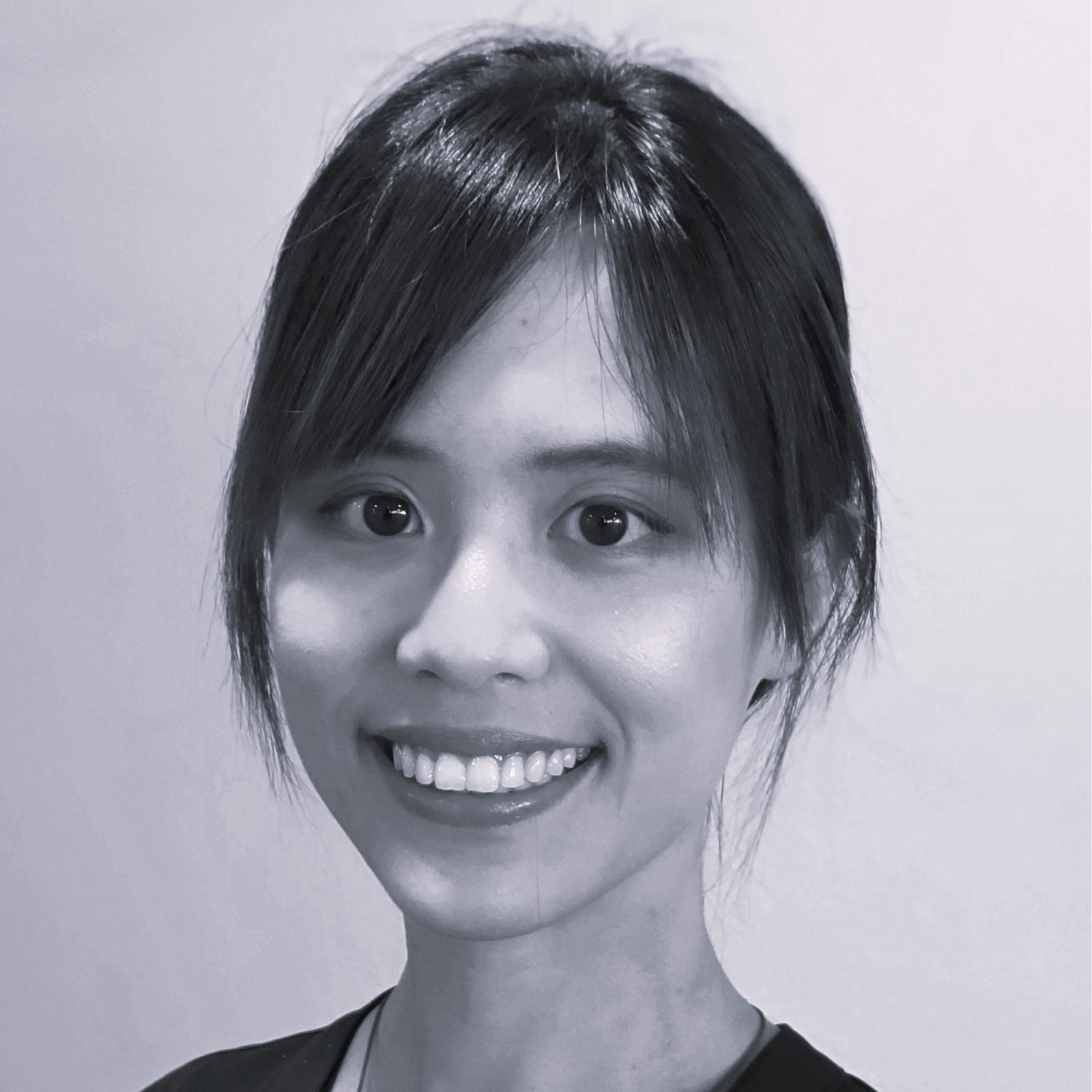
Kaiwen Hsiao is currently an Assistant Professor at Texas A&M university, Materials Science and Engineering department. Hsiao received her PhD from University of Illinois at Urbana Champaign with Dr. Charles Schroeder in 2017. After graduation she spent 2.5 years at Intel and 1 year at Apple working as hardware design engineer. She later completed her postdoctoral research at Stanford University with Dr. Joseph DeSimone in 2023. Hsiao’s research expertise merges the two distinctive fields of single molecule fluorescence microscopy and development of high-resolution AM technologies to advance high-speed, nano-precision AM methods. Hsiao has received the ACS PMSE Future Faculty Award, is a Stanford Wu-Tsai Human performance fellow and recently Hsiao received the NSF Career award in 2026.
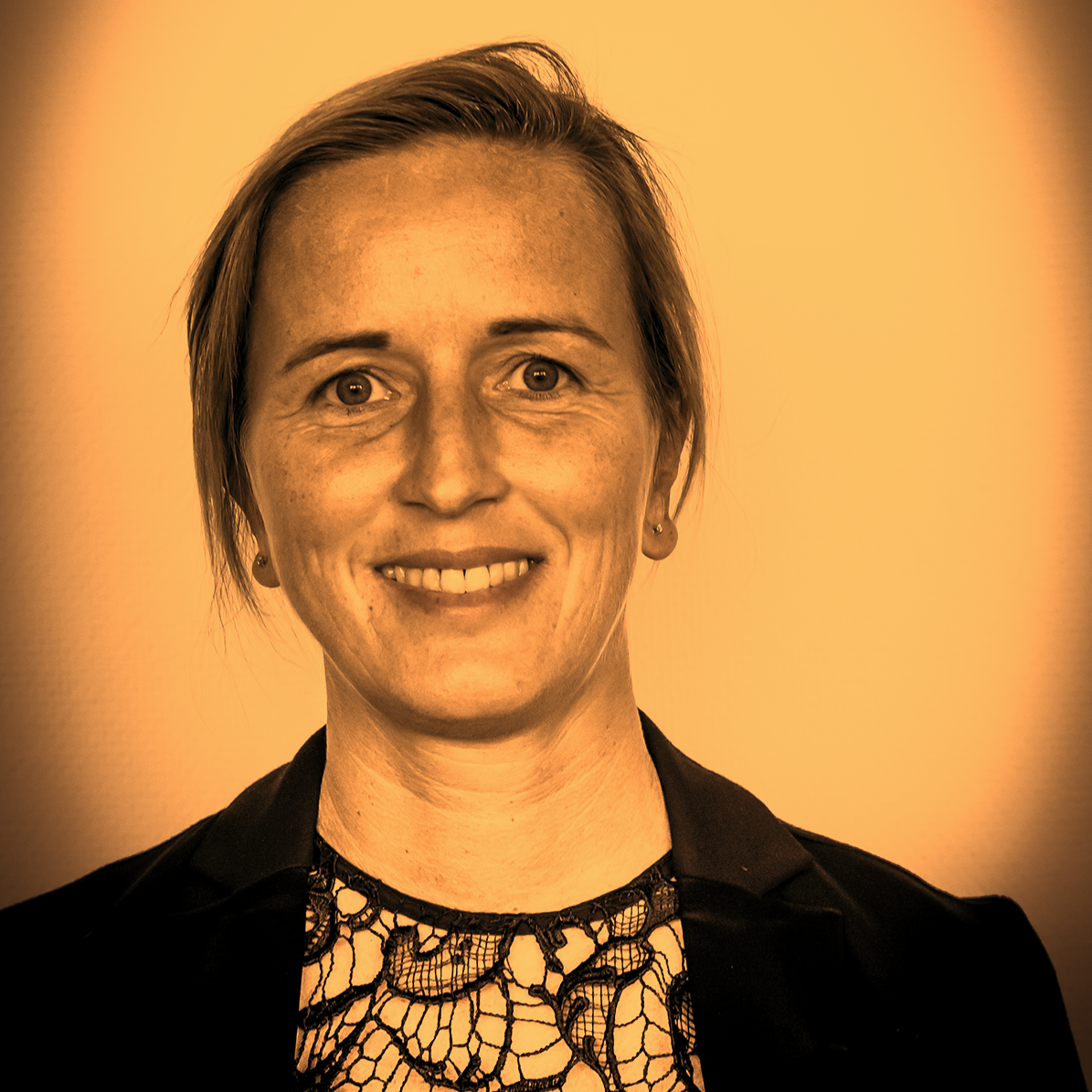
Prof. Dr. Sandra Van Vlierberghe is a professor and group leader of the Polymer Chemistry & Biomaterials Group at Ghent University and holds a guest professorship at Vrije Universiteit Brussel (Belgium). Her research focuses on the design, synthesis and processing of photo-responsive and photo-crosslinkable (bio)polymers for biomedical applications, including tissue engineering, drug delivery and regenerative medicine. She has extensive expertise in advanced polymer processing technologies, including light- and extrusion-based 3D printing including volumetric additive manufacturing and two-photon polymerization. She has authored more than 300 peer-reviewed publications and is co-founder of the spin-offs BIO INX and 4Tissue. Her scientific contributions have been recognized by several distinctions, including the 2017 Jean Leray Award of the European Society for Biomaterials and the 2025 TERMIS-EU Mid-Term Career Award.
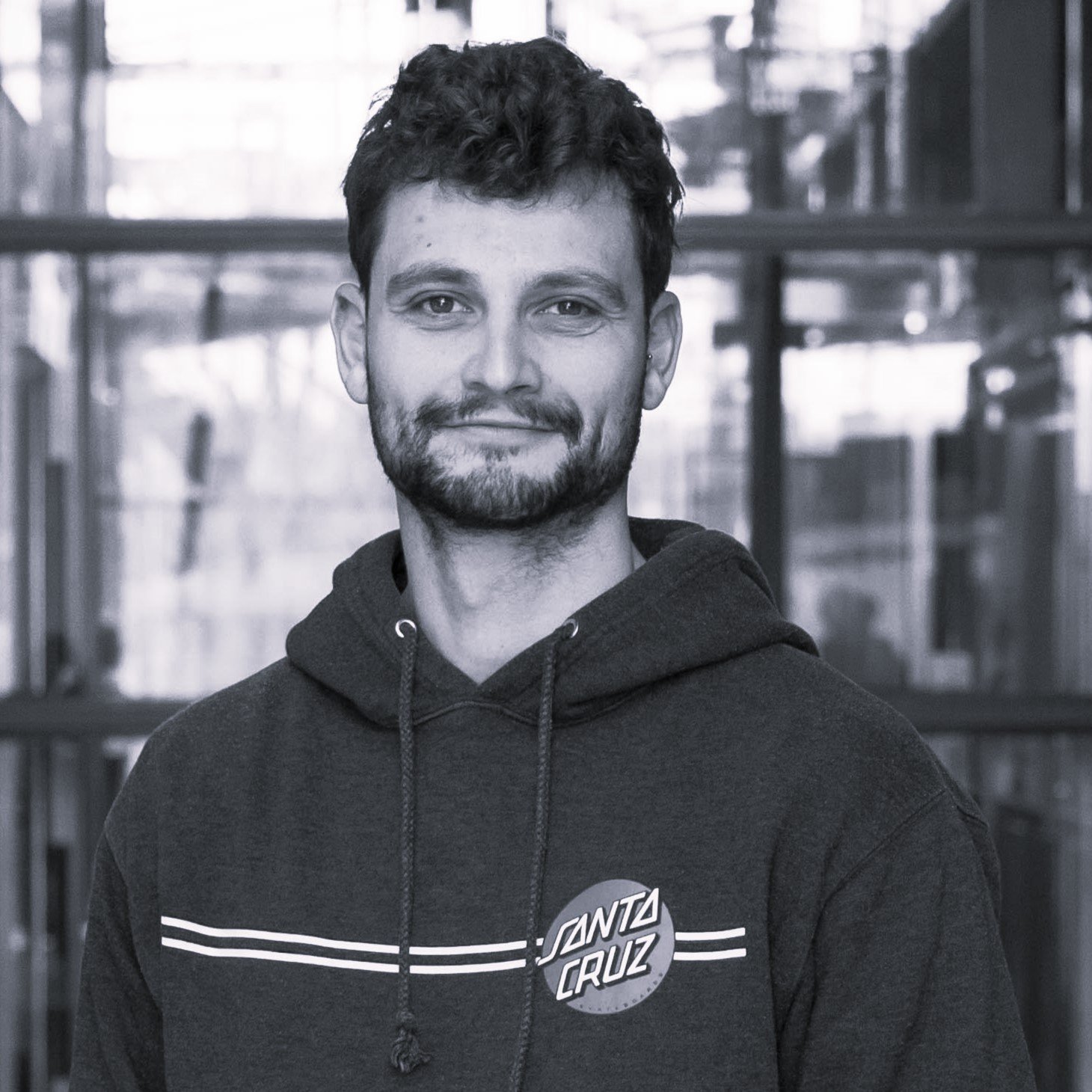
Xabi Lopez de Pariza is a polymer chemist specializing in photopolymerization and light-based additive manufacturing. He obtained his BSc in Chemistry and MSc in Polymer Chemistry from the University of the Basque Country (EHU), where he also completed his PhD at POLYMAT under Professors Haritz Sardon and David Mecerreyes. His doctoral research developed non-radical photopolymerization processes for light-based additive manufacturing, with a strong focus on the design and implementation of recyclable and reprocessable polymers for sustainable fabrication. He is co-founder and Technology Director of Hevea3D, a POLYMAT–EHU spin-off developing high-performance 3D printed rubber elastomers. His experience also includes autonomous polyurethane synthesis at IBM Research with Dr. James L. Hedrick and the development of degradable waterborne emulsion polymers at POLYMAT in collaboration with Wacker Chemie. Currently, he holds an EHU-funded postdoctoral position jointly based at the University of Amsterdam and EHU, developing autonomous reaction workflows for polymer recycling and valorization under Professors Timothy Noël and Haritz Sardon.
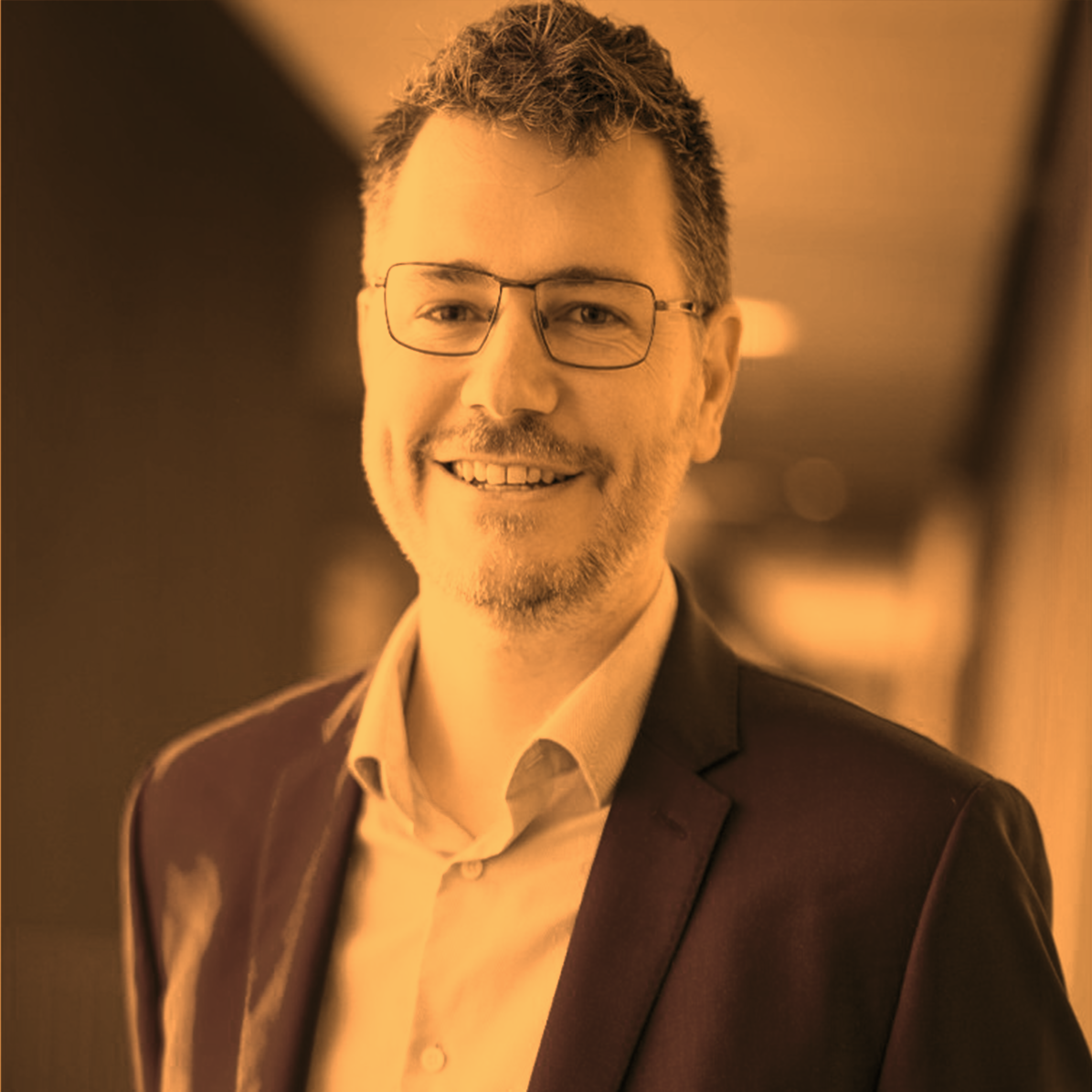
Arnaud Spangenberg received his PhD from ENS Paris Saclay (2009) dealing with the design of photoswitchable nanosystems. He then moved to the Van’t Hoff Institute for Molecular Sciences (University of Amsterdam), as a two-year postdoctoral NWO fellowship to investigate fluorescent molecular motors. In 2011, he joined the Material Science Institute of Mulhouse (IS2M) as the recipient of a career development grant focused on two-photon polymerization. Since 2013, he is CNRS researcher at IS2M where he leads research on light-based additive manufacturing (i.e. 2PP, tomographic VAM), with a particular focus on the nanophotochemistry governing theses processes. Based on these new insights, novel strategies for the elaboration of functional and programmable materials have been successfully applied to multi-scale 3D & 4D printing. He has been the coordinator of several large scale collaborative projects, at national and international level, and is deputy scientific coordinator of the Mat-Light 4.0 cluster of the University of Haute-Alsace (France 2030, ExcellencES).
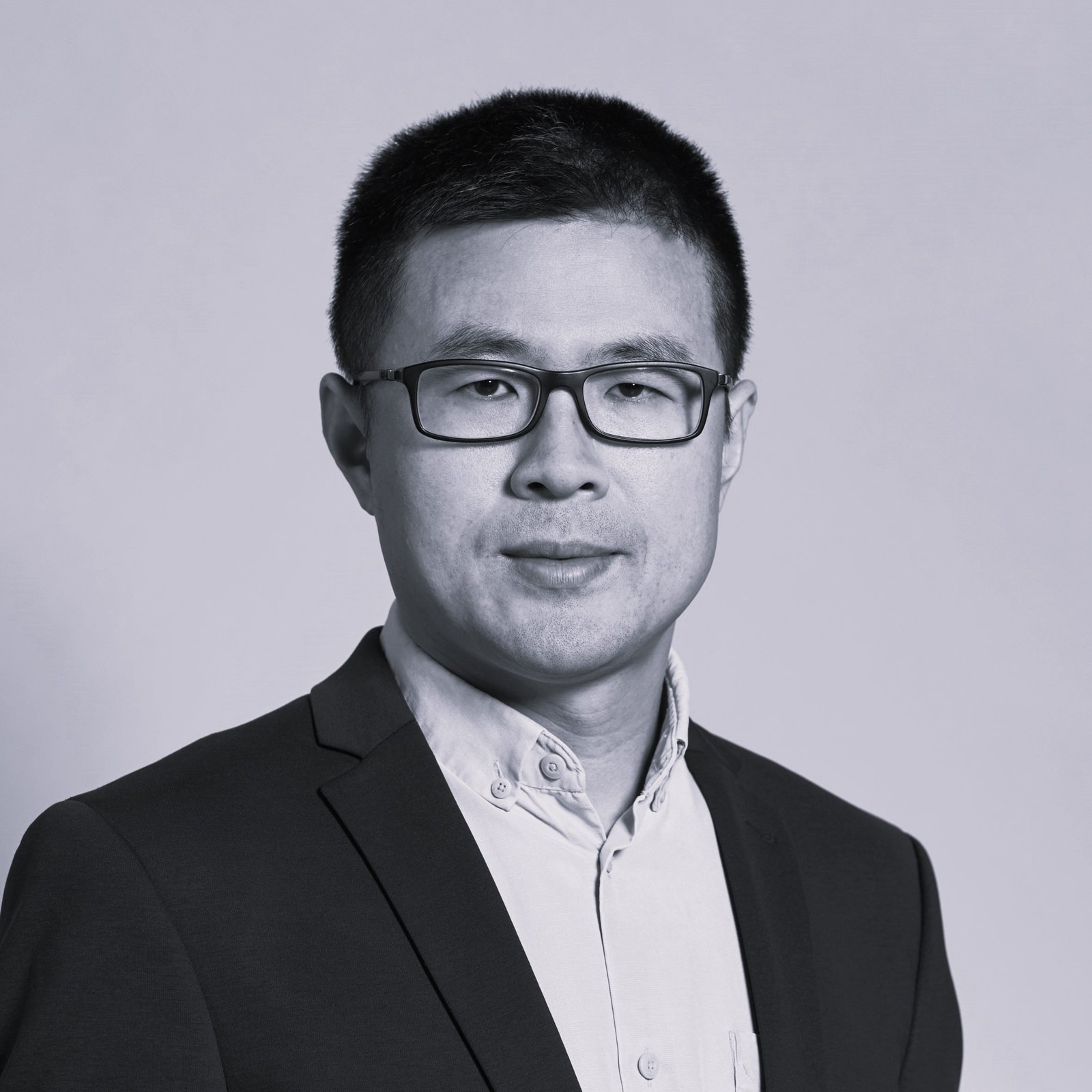
Xiao-Hua Qin is ERC Assistant Professor of Biomaterials Engineering at the Institute for Biomechanics at ETH Zurich, where he leads the Biomaterials Engineering group and co-leads the Laboratory for Bone Biomechanics. His research focuses on the design, synthesis and engineering of novel biomaterials as well as high-precision light-controlled tissue manufacturing technologies for regenerative medicine. His team creates tissue-mimicking 3D microenvironments to study bone physiology and pathology, with the long-term goal of developing human-relevant organoid models for disease modelling and drug discovery. He has received several prestigious awards, including a European Research Council (ERC) Starting Grant and the Young Investigator Award from the Horten Health Foundation.
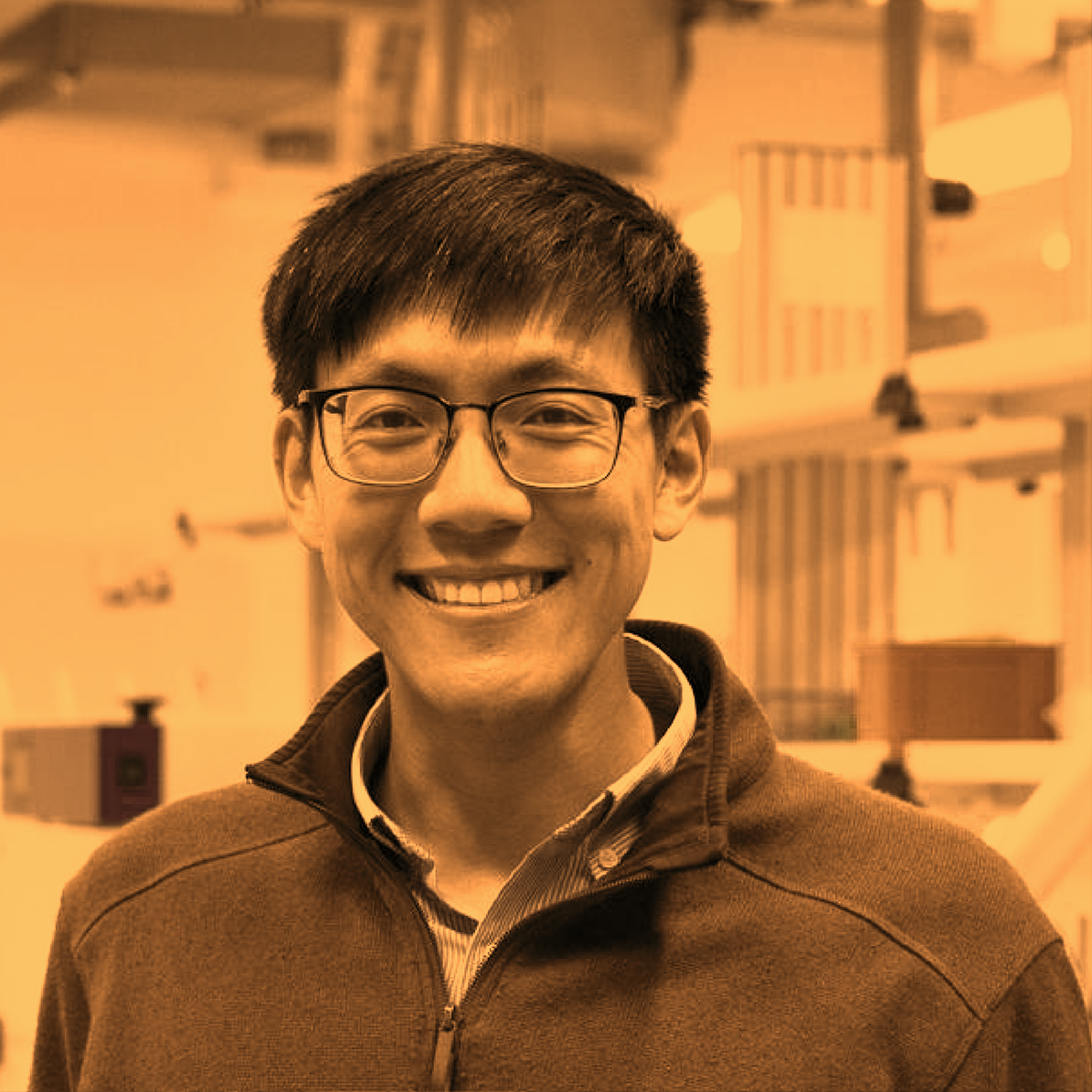
Prof. Daryl W. Yee leads the Laboratory for the Chemistry of Materials and Manufacturing (ALCHEMY) at EPFL since 2023. His team seeks to integrate molecular design, materials science, and advanced manufacturing to engineer advanced functional materials and devices. Areas of interest in his group include polymer-derived materials, microstructure control in polymers, and the development of new photocrosslinking strategies. Daryl obtained his Ph.D. in materials science from Caltech in 2020, and was a postdoctoral associate at MIT after. His work has been featured in Advanced Materials Rising Stars (2025) and ACS Materials Letters Emerging Investigator in Materials Science. He is also currently part of the Early Career Board of ACS Applied Materials and Interfaces. He is broadly interested in understanding how to print unusual and difficult materials, polymers or otherwise.